Why Fair Trade Matters for Women, Communities, and the World
Every year on International Women's Day, we celebrate the women who shape our lives—mothers, daughters, mentors, and creators. But around the world, millions of women are also quietly shaping something larger: the future of their communities.
Many of them are artisans.
At AMASOUK, the women we partner with in Mexico and Morocco are part of a global network of makers who carry forward generations of craft knowledge. Their work represents far more than beautiful design; it represents opportunity, cultural continuity, and a more equitable way of doing business.
Fair trade plays a powerful role in making that possible.

The Hidden Inequality in Global Fashion
Women are the backbone of global fashion production—yet they often receive the smallest share of its benefits.
Globally, women make up roughly 80% of the artisan workforce, underscoring how craft-based economies often serve as critical pathways to income for women.
Despite producing billions of dollars’ worth of clothing each year, many of these workers earn wages that fall far below a living standard. In fact, research shows that garment workers typically receive only about 3–4% of a garment’s final retail price, while brands and retailers capture most of the value.
The pressure to produce more, faster, and cheaper often leads to unstable employment, unsafe working conditions, and limited opportunities for workers—especially women—to move into leadership roles or earn higher wages.
When wages remain suppressed and production speeds accelerate, the consequences ripple outward:
- Families struggle to afford education or healthcare
- Traditional cultural skills disappear as handmade craft is replaced by mass production
- Communities become dependent on unstable, low-margin factory work
Fast fashion may deliver inexpensive products quickly—but the human cost is often borne by women.
Yet beyond the fast-paced world of mass production, another economy continues quietly—one rooted in skill, patience, and community. In artisan workshops from Oaxaca to Marrakech, craft is still created by hand, and fair trade helps ensure the people behind that work are able to thrive.


How Fair Trade Changes the Equation
If fast fashion is built on speed and scale, fair trade is built on relationships.
Instead of pushing production costs ever lower, fair trade prioritizes transparency, long-term partnerships, and wages that reflect the true value of skilled work. Artisans are paid fairly for their time and expertise, and production timelines respect the pace required for handmade techniques.
This model matters deeply for women.
Globally, the handicrafts sector is a massive economic force. The global handicrafts market was valued at roughly $740 billion in 2024 and is projected to approach $983 billion by 2030, driven largely by a growing demand for handmade and culturally meaningful goods.
At the same time, artisan economies provide opportunities for millions of women to earn income while remaining rooted in their communities and cultural traditions. Research consistently shows that when women earn income, they invest a larger share of it back into their families and communities, supporting education, healthcare, and long-term stability.
This ripple effect is one of the most powerful aspects of fair trade.
At AMASOUK, our partnerships are built around this philosophy. By working directly with artisan groups and paying fair wages for handmade work, we aim to create a system where craftsmanship is valued—and where the women behind each piece are able to build sustainable livelihoods.
Fair trade does more than improve wages. It helps protect cultural heritage, strengthen local economies, and ensure that women artisans have the opportunity to shape their own futures.
 Women, Craft, and the Futures They Make Possible
In artisan communities around the world, craft knowledge is often passed down quietly—through observation, patience, and years spent learning alongside family members.
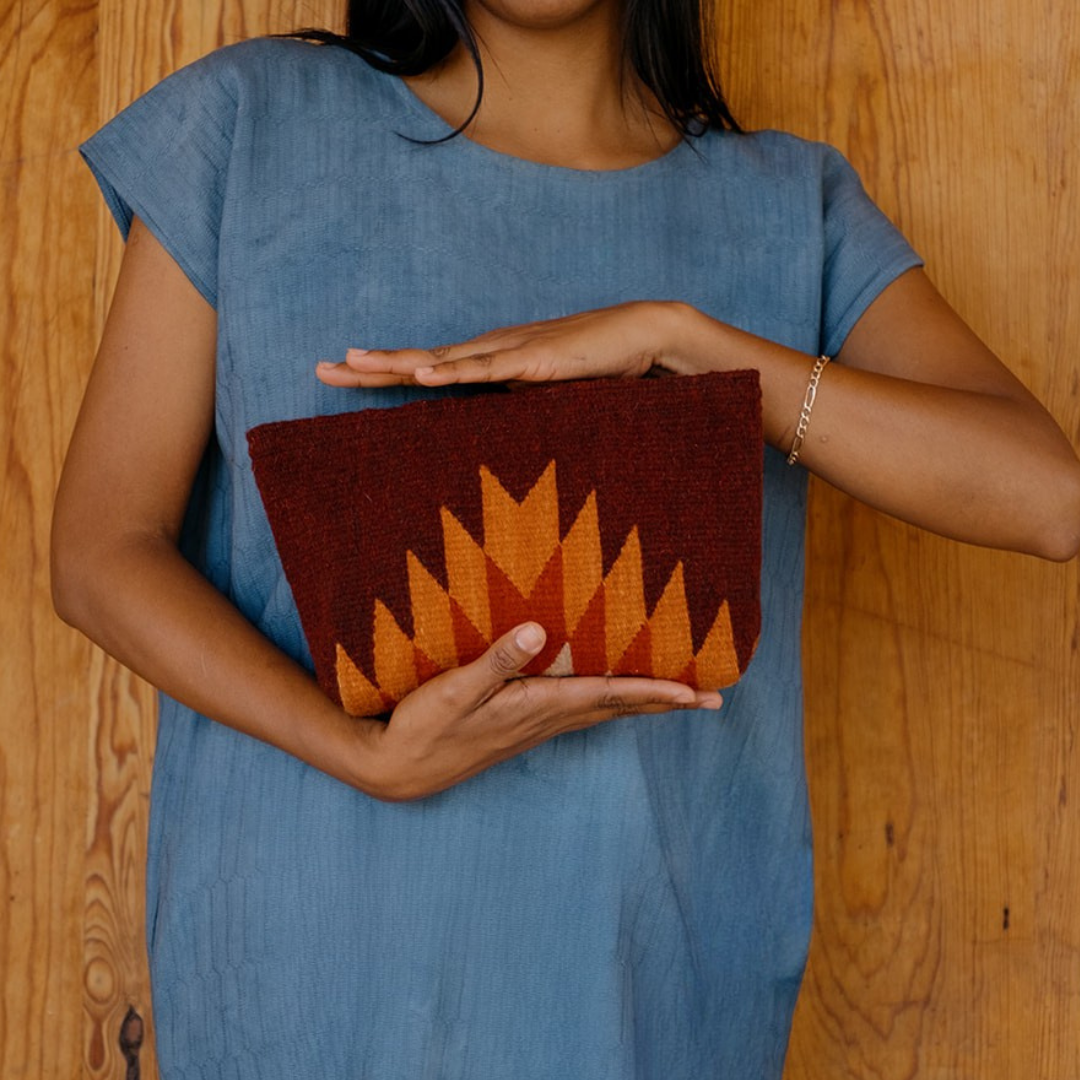
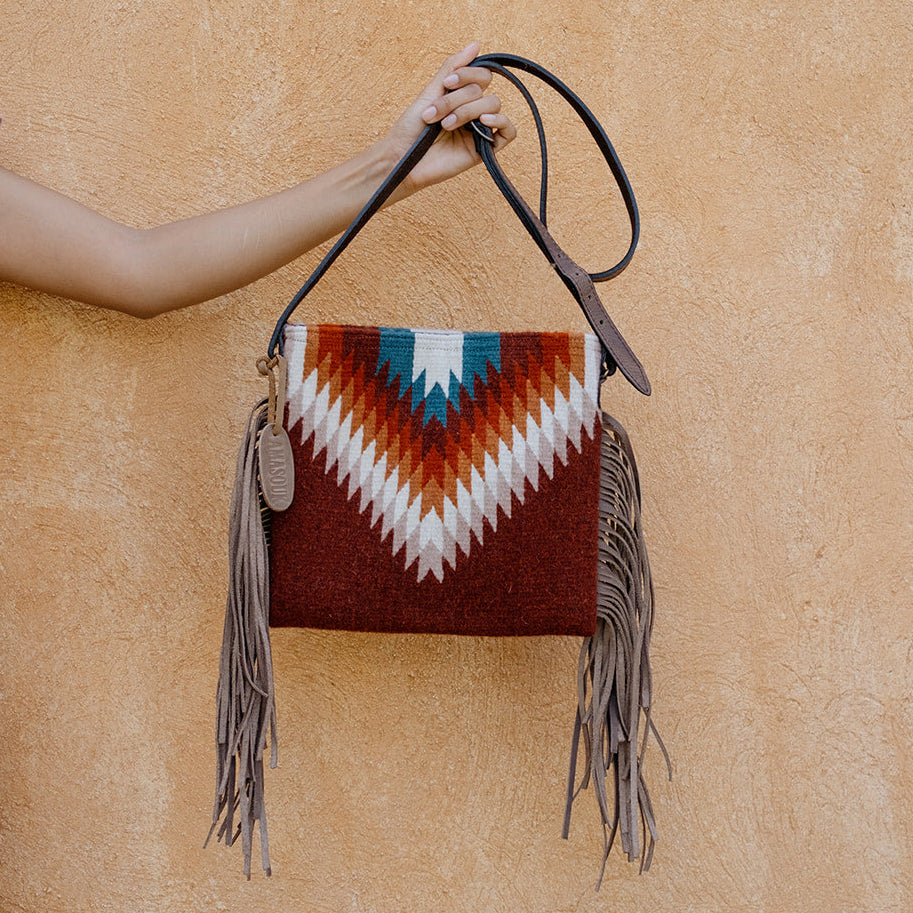
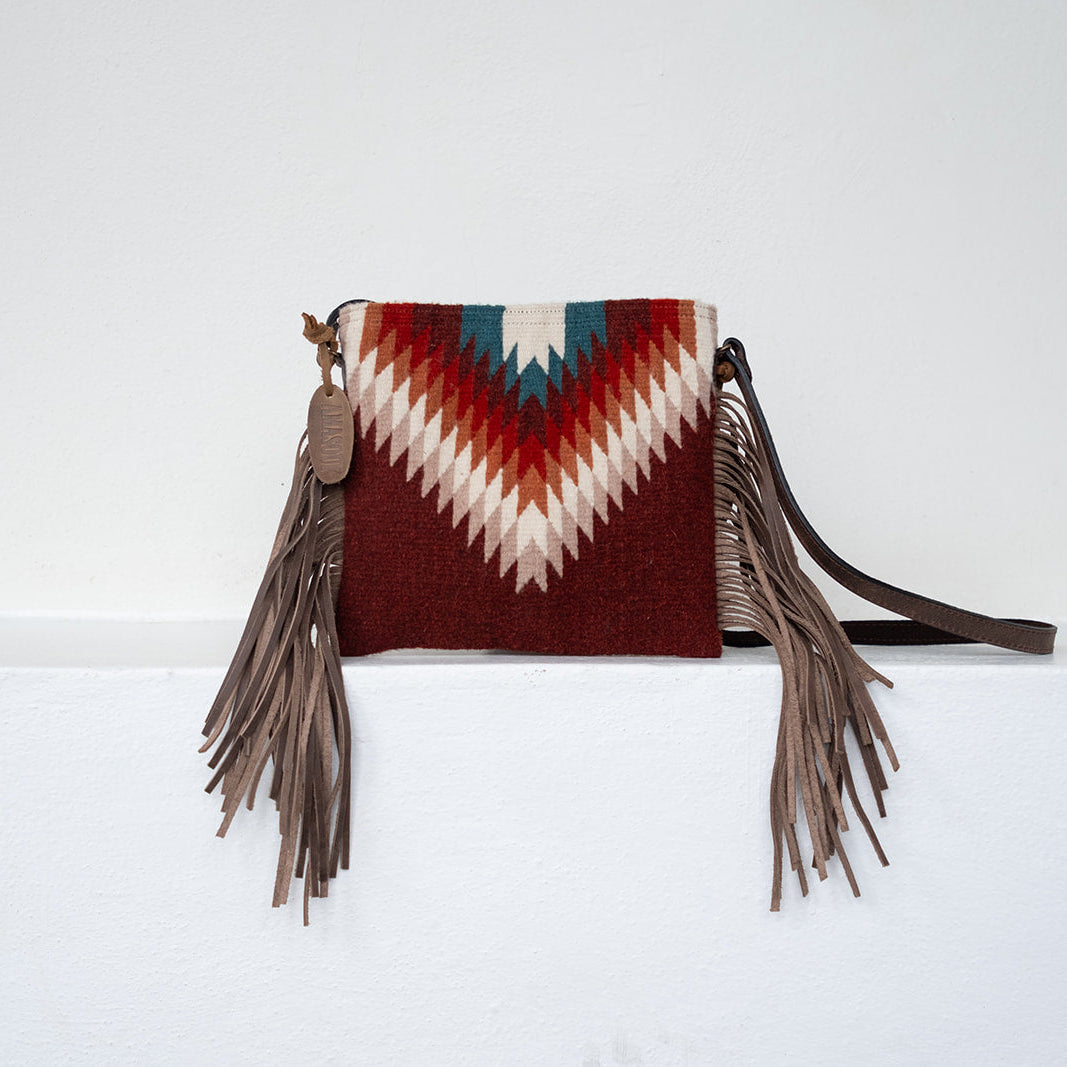
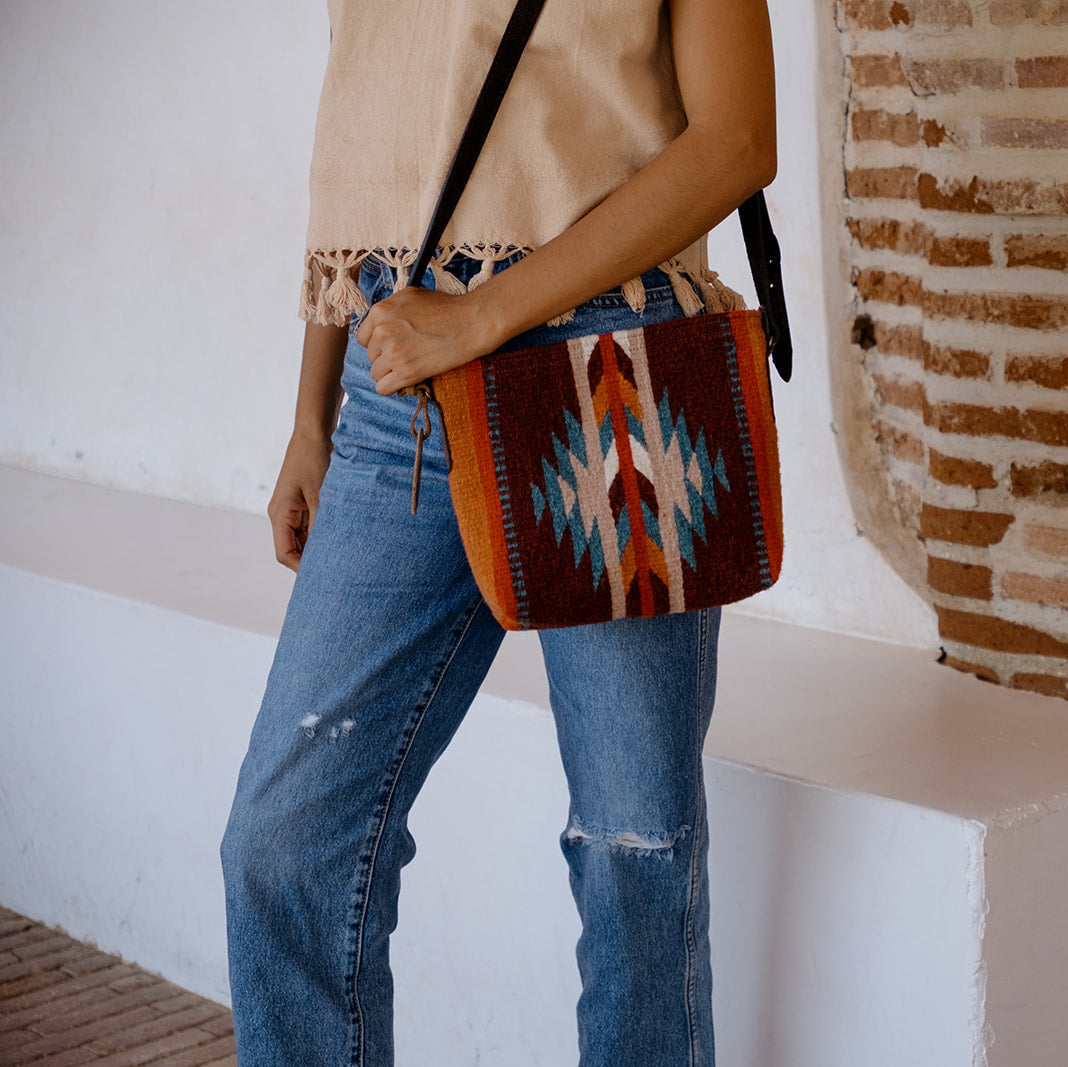
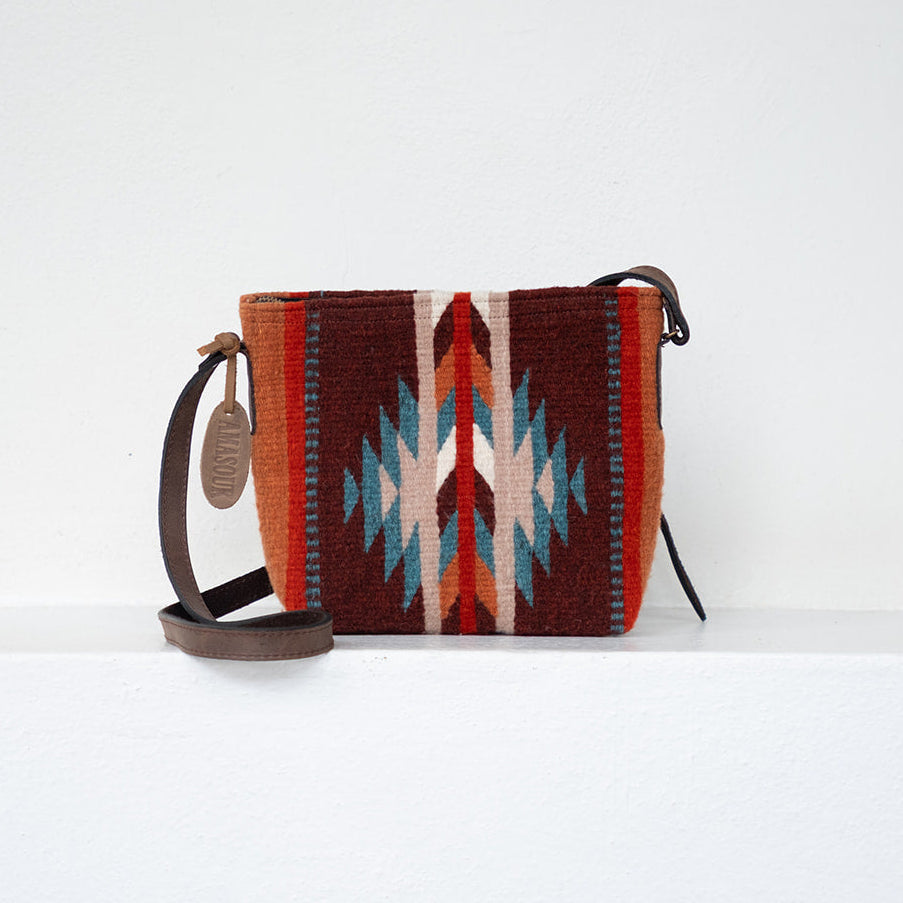
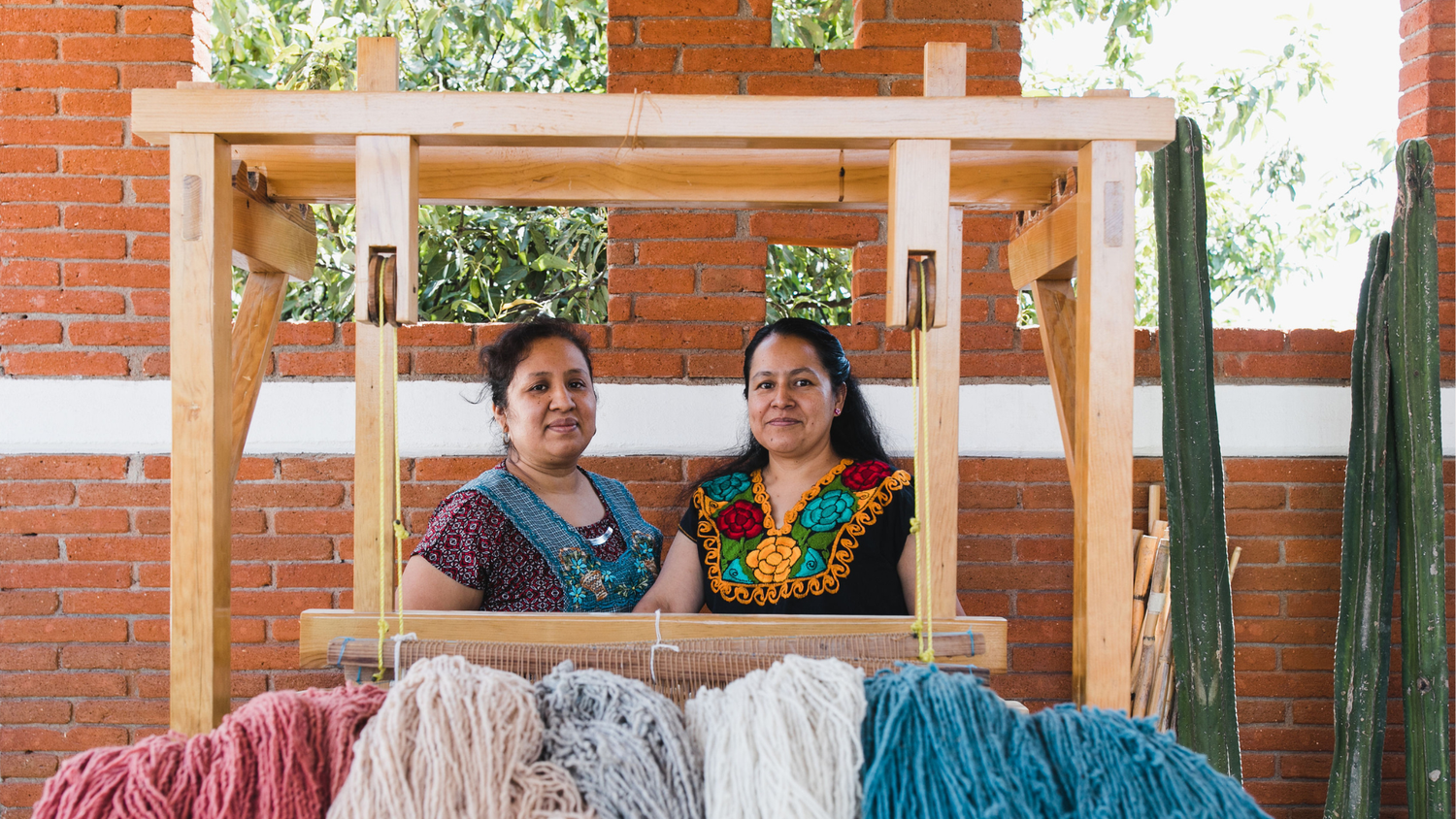
In the Zapotec weaving villages of Oaxaca, girls grow up watching mothers and grandmothers transform wool into intricate textiles on traditional looms. The designs woven into these pieces carry symbols tied to the surrounding landscape, agricultural cycles, and generations of cultural memory.
For many families, weaving has long been both a creative expression and an economic foundation.
Today, fair trade partnerships are helping ensure that this work is valued in global markets. When women artisans receive fair wages for their skills, the impact extends far beyond the workshop. It creates stability for their families and opens doors for the next generation.
Many daughters in these communities are now pursuing careers that were far less accessible to previous generations—studying medicine, business, languages, and the arts. Their mothers’ craft has helped make those possibilities real.
Rather than replacing tradition, fair trade allows it to evolve. The knowledge of weaving, dyeing, and design remains part of family life, even as younger generations explore new paths.
A similar dynamic exists in Morocco, where leathercraft has been practiced for centuries. In workshops across the region, artisans continue to shape supple leather through braiding, embroidery, and hand-finishing techniques that require years of skill to master.
These processes are deeply collaborative. One artisan may prepare the leather, another braid intricate panels, and another complete the final stitching or embellishment. Each piece reflects the combined knowledge of many hands.
When artisans are able to access fair markets for this work, the results ripple outward. Income earned through traditional skills supports families, strengthens communities, and ensures that the knowledge embedded in these crafts remains alive rather than disappearing under the pressures of mass production.
In this way, fair trade does more than sustain heritage. It creates the conditions for women—and their daughters—to build futures defined not by limitation, but by possibility.
 Communities That Thrive
The benefits of fair trade are not theoretical—they are measurable.
Fairtrade International reports that producers participating in the system earned more than €211 million in Fairtrade Premium funds in a single year, money reinvested into community projects such as schools, healthcare facilities, and infrastructure.
Women producers often experience particularly meaningful gains:
- Greater financial independence
- Leadership roles within cooperatives
- Access to training and education
- Increased decision-making power within families
In other words, empowering women through fair trade doesn’t just improve individual livelihoods.
It strengthens the future of entire communities.

Choosing a Better Way to Consume
Consumers play an essential role in shaping this future.
The global fashion industry is often built around speed, disposability, and ever-lower prices. But fair trade demonstrates that another model is possible—one rooted in dignity, craftsmanship, and long-term partnership.
Every purchase becomes a choice:
- Between volume and value
- Between anonymity and human connection
- Between exploitation and empowerment
When we choose artisan-made goods, we choose to support the hands behind the product as much as the product itself.
Looking Ahead
The story of fair trade is not just about products. It’s about people—and about the systems we choose to support.
When craft is valued, when women are paid fairly for their skills, and when traditions are allowed to evolve rather than disappear, entire communities benefit. Families gain stability, daughters grow up with greater opportunities, and the knowledge carried by generations of artisans continues to thrive.
For us at AMASOUK, this is the heart of what we do: building partnerships that honor craftsmanship while creating meaningful economic opportunity for the women behind the work.